
Toy Journal
Small moments of play can open very big ideas.
Thoughtful notes for curious homes, creative tables and family play that leaves room for building, wondering, laughing and trying again.
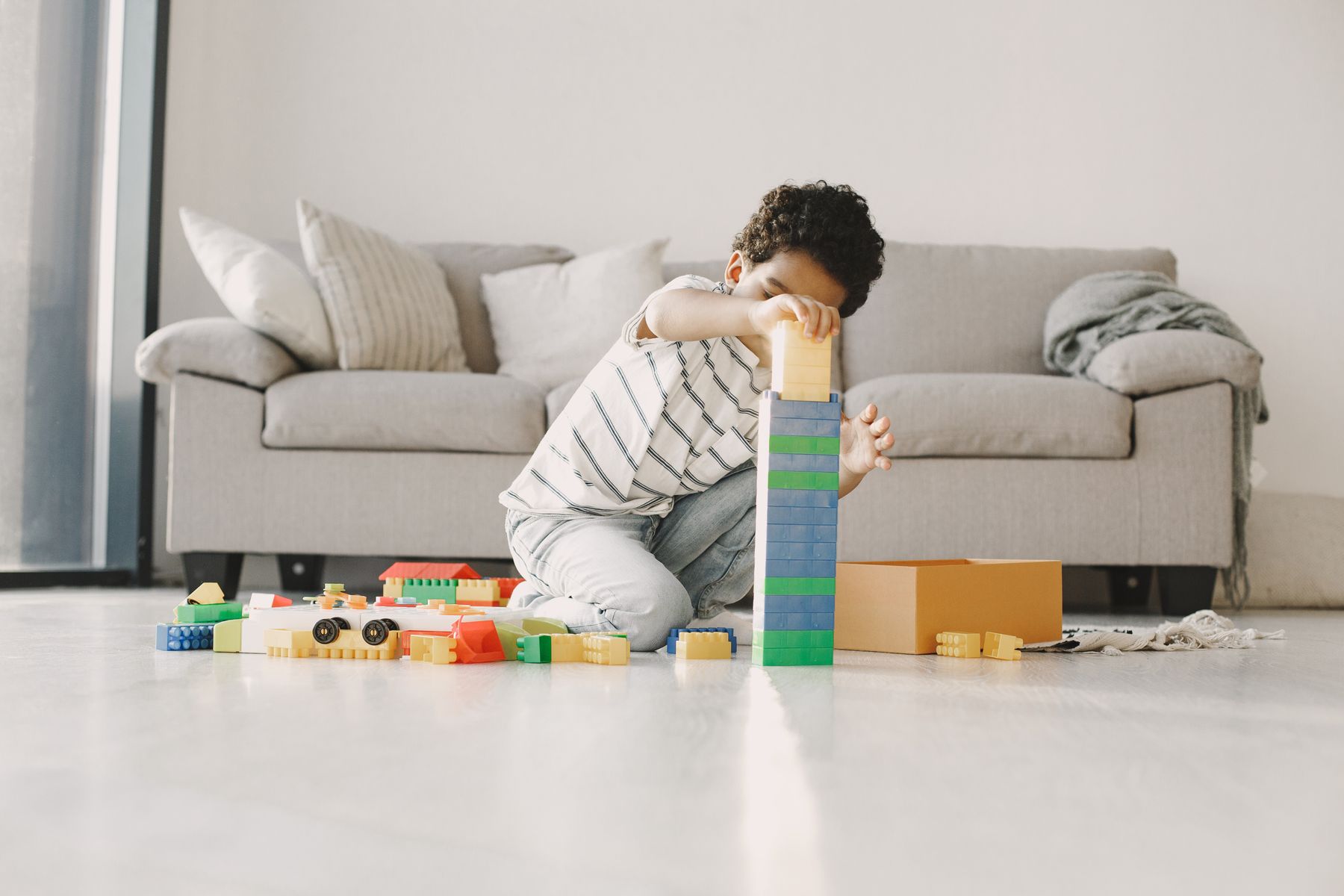
Build it, pause, change one piece, and see where the new idea leads.
Play does not need a perfect plan.
Sometimes the most memorable play begins with a small invitation: an unfinished tower, a puzzle left within reach, a question at the craft table or a family game with space for everyone’s ideas.
More connection, fewer perfect rules.
A family game can be a shared conversation as much as a challenge, especially when everyone has space to suggest, adapt and participate.
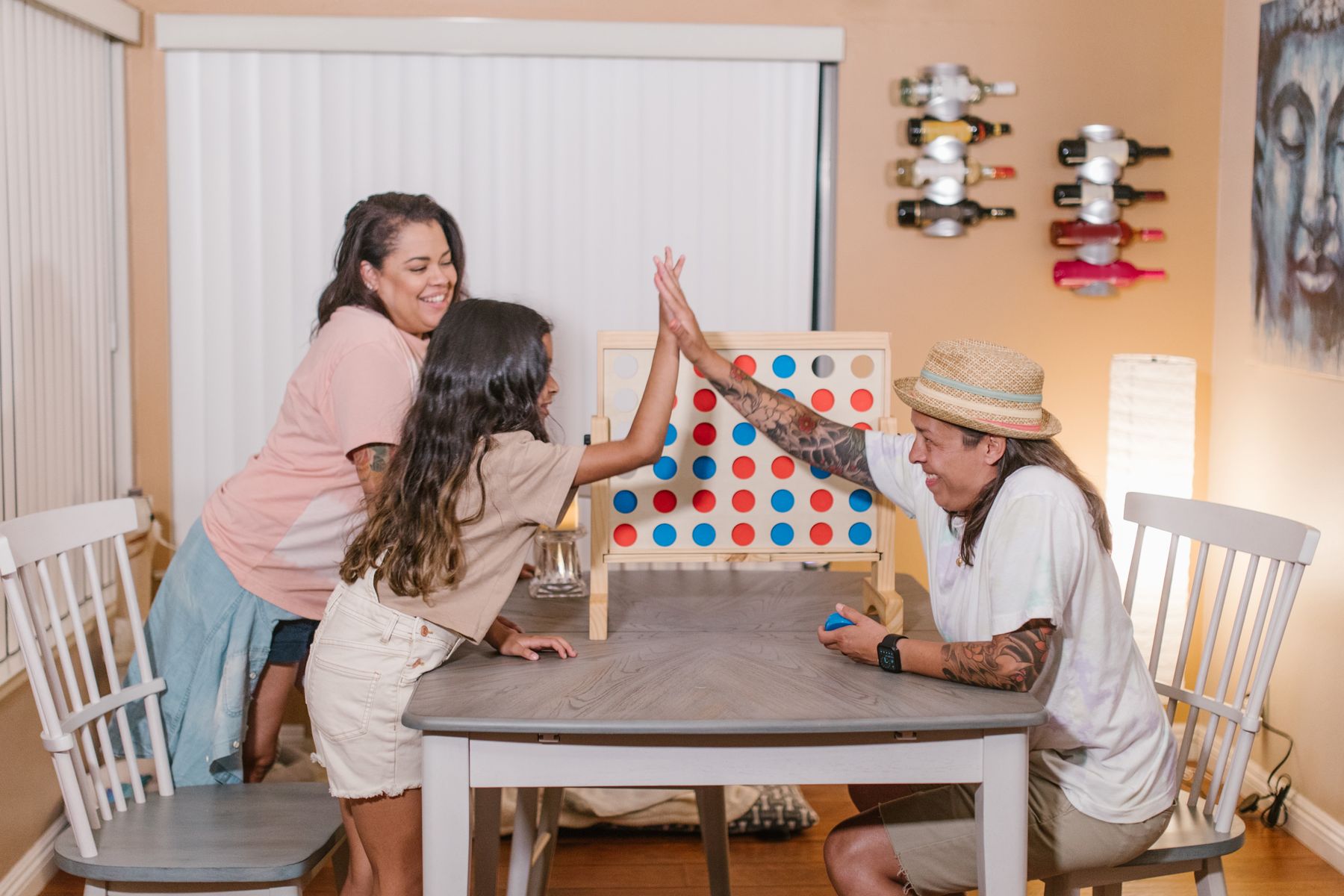
Let the game night belong to the whole table.
Rules give a game structure, but family connection often grows in the spaces between turns: explaining a choice, celebrating a clever move and helping a younger player rejoin the moment.
- 1 Choose a game with a pace that feels comfortable for the group.
- 2 Allow a practice round before keeping score or declaring a winner.
- 3 End while the energy still feels warm, not only when every round is complete.
Hands-on ideas for curious afternoons.
Simple invitations can help toys, games and creative materials feel new again without turning play into a lesson plan.

Start with a question, not an explanation.
When a science kit, construction toy or simple mechanism arrives at the table, invite observation first. “What do you notice?” often creates more room for exploration than immediately showing the expected result.
What is one part you would change if you built it again?
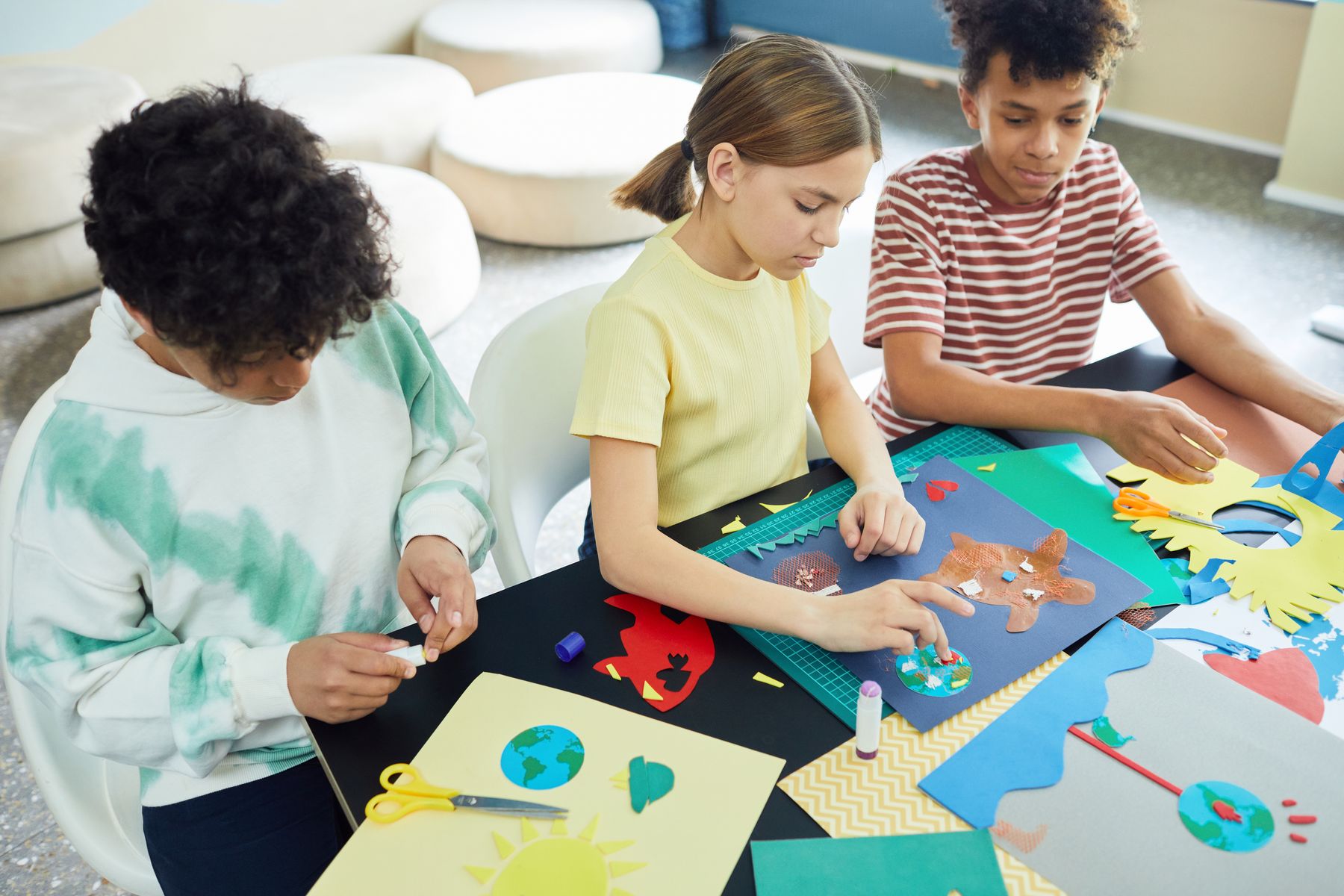
A craft table with fewer instructions.
Offer a small selection of compatible materials, then leave space for unexpected combinations. The finished object matters less than the choices made while cutting, arranging, joining and changing direction.
Can the same shapes become something completely different?
Three gentle ways to refresh familiar toys.
Leave one puzzle unfinished.
A partly completed puzzle can become an invitation rather than a task. Place the remaining pieces nearby and let the next person decide when to continue.
Journal prompt: Which piece changed the picture most?
Add one new role to pretend play.
A shop, clinic, kitchen, workshop or travel scene can shift with one new character. Ask who might arrive next and what they need.
Journal prompt: What happened before this scene began?
Rotate gently, not all at once.
Keep a manageable group of toys within easy reach and store a few others nearby. A small change can renew attention without making the play space unfamiliar.
Journal prompt: Which toy invites the longest conversation?
Set the scene, then step back.
Set
Place a small, clear selection of toys or materials where they can be seen and reached comfortably.
Invite
Offer one open question or a tiny starting idea without deciding what the finished play must become.
Notice
Watch for the moments of concentration, negotiation, humor and experimentation that naturally appear.
Reset
Return the pieces together, keep a favorite creation nearby or photograph it before the next idea begins.
Age-aware, child-aware and space-aware.
A useful play choice considers more than a number on a label. Think about the child’s current interests, the way the product is used, the available play space and the level of adult support that may be appropriate.
Always review the specific product page, packaging, included instructions, age guidance, warnings and care information before use.
Use it alongside the child’s abilities, interests and play environment.
Notice component size, storage needs and whether small parts require extra care.
Some toys become easier to enjoy after a calm introduction or practice round.
Follow product-specific cleaning, storage and maintenance instructions.
Everyday questions about thoughtful play.
Flexible ideas for creating a calmer, more inviting play rhythm at home without expecting every day to look the same.
How can I choose a play idea that feels age-appropriate?
Start with the age guidance, warnings and instructions shown on the product page and packaging. Then consider the child’s current abilities, interests and the amount of support available during play. Age guidance is useful, but it does not replace careful observation or product-specific information.
Does a toy rotation need a strict schedule?
No. A rotation can be as simple as storing a few toys for a while and bringing them back when the current selection feels less engaging. Keep familiar favorites available when they continue to support comfortable, meaningful play.
How should toys and game pieces be cleaned?
Follow the care directions provided for the specific product and material. Avoid assuming that every toy can be washed, soaked or treated in the same way. Keep components dry and stored as directed when moisture may affect them.
When is adult supervision especially helpful?
Supervision needs vary by product, age, environment and activity. Review all warnings and instructions, pay attention to small parts or tools, and remain close when a play setup requires guidance, assembly or careful handling.