
Safety & Play Tips
Thoughtful play starts before the first move.
A few calm checks can help create a more comfortable play experience. Review the product guidance, prepare the space, stay involved where needed and make time to put pieces away with care.
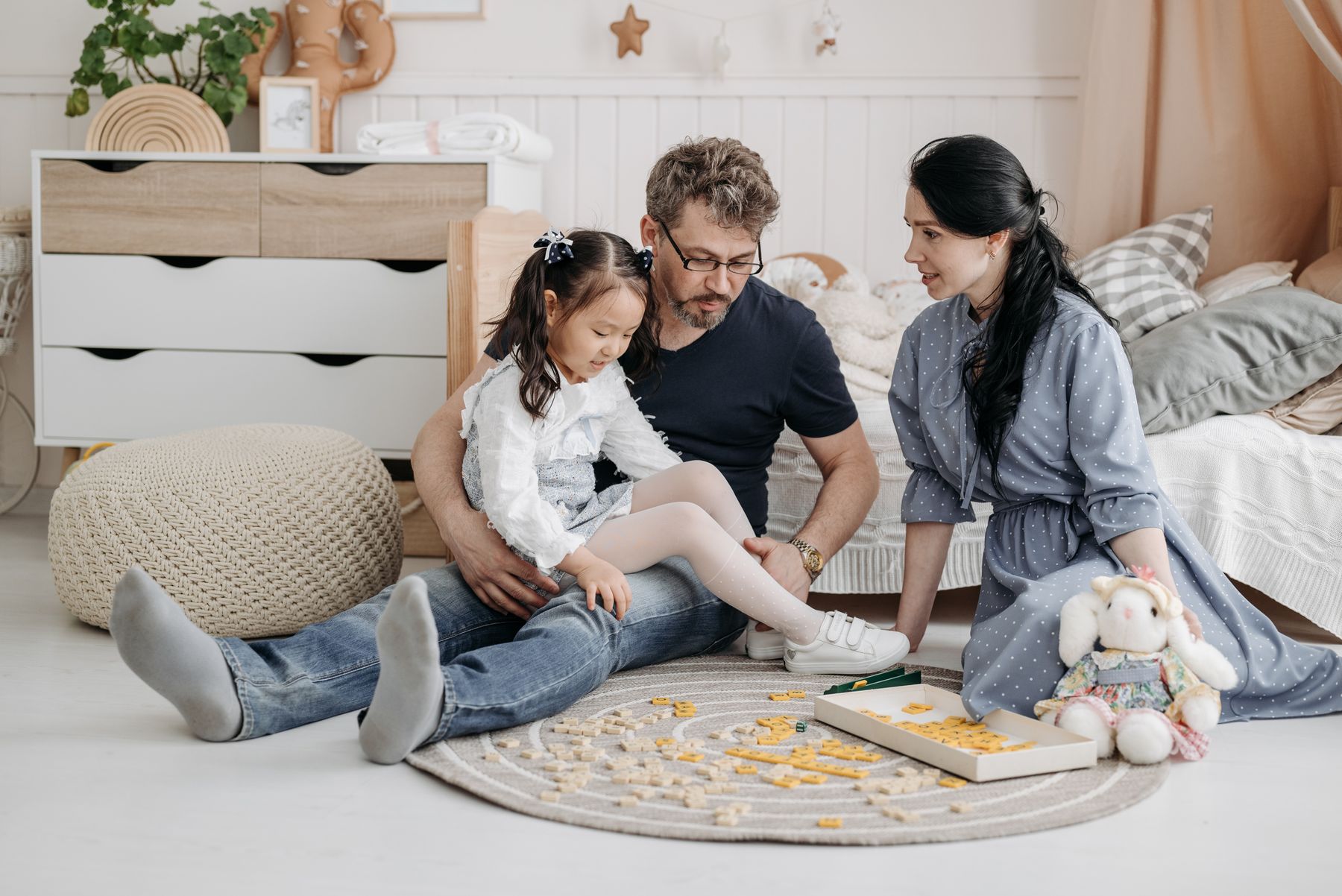
Pause, prepare, play and put away.
Safety guidance works best when it feels like a natural part of play, not an interruption. These four steps create a repeatable rhythm for puzzles, games, building toys, creative activities and STEM discovery.
Pause and review
Check the stated age range, package instructions, included pieces, assembly notes and any recommended adult participation before play.
Prepare the space
Choose a stable, well-lit area with enough room for pieces, movement and any protective surface needed for crafts or experiments.
Stay appropriately involved
Offer supervision or hands-on help according to the activity, product guidance and the child’s current experience.
Reset after play
Count pieces, inspect the toy, clean it as directed and store it where younger children or pets cannot reach unsuitable parts.
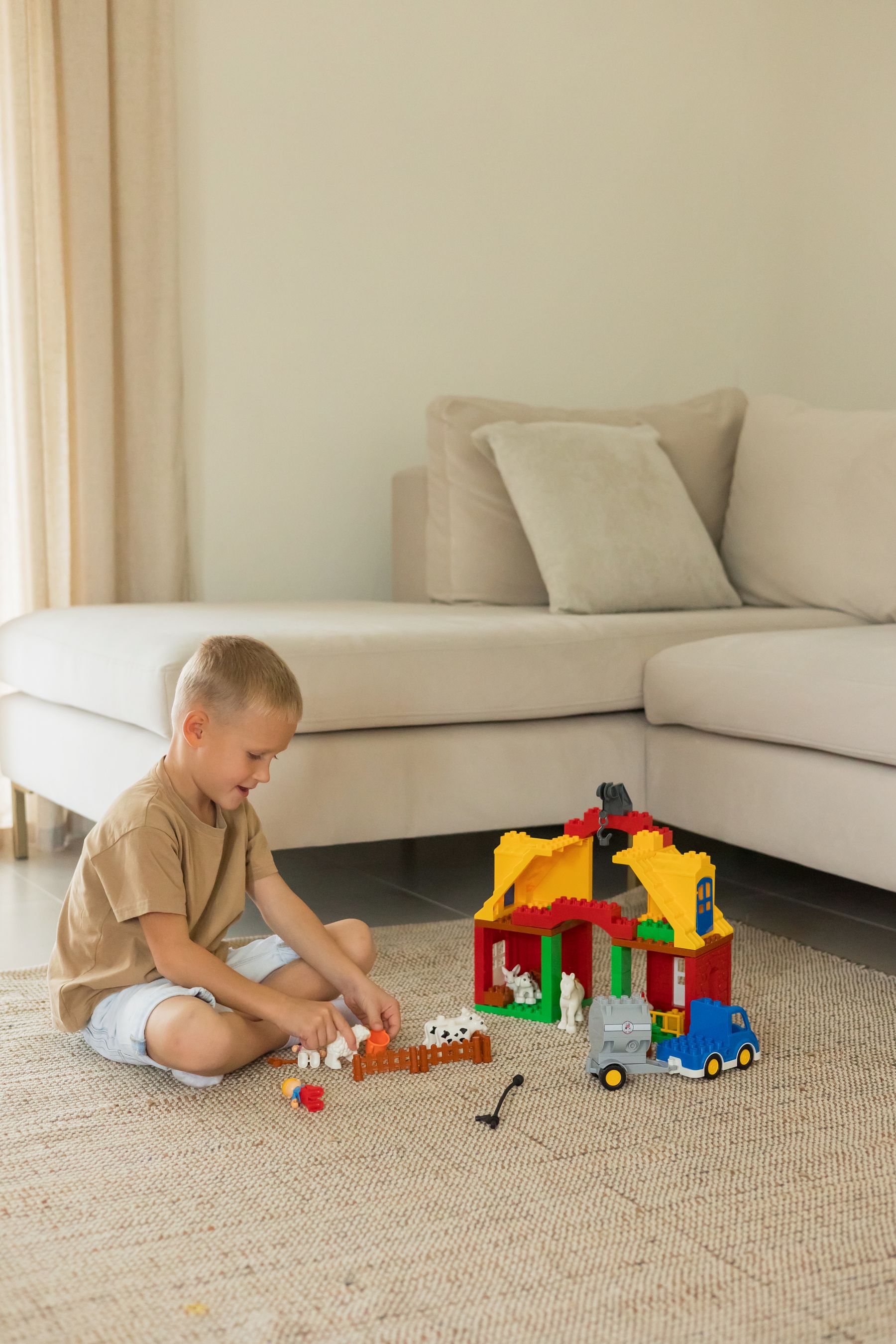
The right guidance depends on the individual toy.
Product categories can be broad. A building set, sensory activity or science kit may include very different pieces and instructions, so review the specific product page and packaging rather than relying on general assumptions.
-
Age and developmental guidance
Use the age information supplied for the exact product and consider the child’s current familiarity with similar play.
-
Small parts and detachable pieces
Keep pieces intended for older children away from younger children and pets, especially during setup and cleanup.
-
Batteries, tools and assembly
Follow the supplied instructions and let an adult handle steps that require tools, battery access or more precise assembly.
-
Materials and care directions
Review cleaning, water-use and material notes before introducing a toy to messy, wet or outdoor play.
Shape the space around the activity.
A safe and comfortable setup changes with the type of play. Tabletop games, creative projects and active outdoor toys each benefit from a few practical checks.
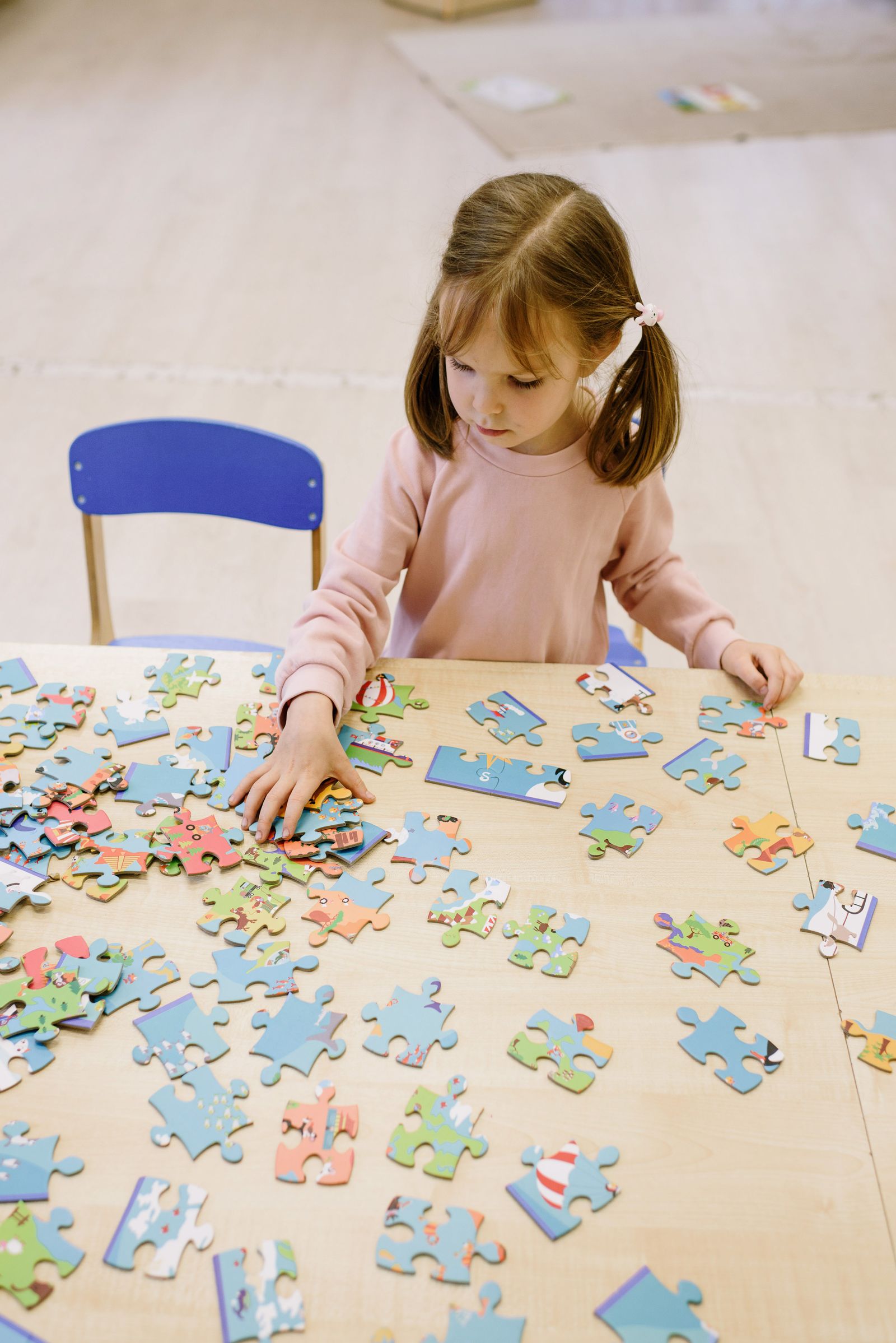
Puzzles, games and building pieces
Use a stable surface with enough room for the full activity and a clear place for unused pieces.
- Keep drinks away from paper pieces and electronics.
- Return loose components to a container after use.
- Check that pathways remain clear around the table.

Experiments, making and discovery
Read the full instructions first and prepare any recommended protective surface, clothing or adult assistance.
- Use only the included or specifically recommended materials.
- Keep food and drinks separate from activity supplies.
- Wash hands and clean the work area when appropriate.
Movement, space and surroundings
Choose an area suited to the product, current conditions and the child’s experience, with appropriate adult supervision.
- Inspect the play surface before beginning.
- Follow any protective-equipment guidance supplied.
- Bring the toy indoors if it is not intended for outdoor storage.
Support without taking over.
Adult involvement can range from staying nearby to actively helping with setup, tools, rules or cleanup. Let the product guidance and the child’s current ability shape that level of support.
Supervision is not one fixed distance. It should adjust as the activity, environment and child’s experience change.
Set up together
Review instructions, identify the parts and agree on where play will happen before opening every component.
Model the first step
Demonstrate a safe starting action, then allow the child to explore at a pace that remains comfortable.
Notice changing conditions
Pause if pieces move outside the play area, instructions become unclear or the child becomes tired or frustrated.
Finish with a shared reset
Make cleanup part of the activity by checking pieces, closing containers and returning the toy to its storage place.
Care keeps the next play session ready.
A quick reset helps keep pieces organized and makes it easier to notice wear before the toy is used again. Always follow the care instructions supplied with the specific product.
Return loose pieces, cards, tools and accessories to their intended container before leaving the play area.
Stop using a toy if you notice a cracked part, sharp edge, loose connection, exposed battery area or other visible damage.
Use only the cleaning method recommended for the material and avoid soaking toys unless the instructions state that it is suitable.
Keep toys dry, organized and away from heat, moisture or access by children who are younger than the stated guidance.
Practical play guidance.
These general tips can help with planning, but they do not replace the instructions and age information supplied with an individual product.
Are all toys within one category suitable for the same age?
No. Products within the same category can differ in piece size, complexity, materials and supervision needs. Review the age guidance and packaging information for the exact item before use.
What should I do if a toy becomes damaged?
Pause use and keep the item away from children until it has been assessed. Do not continue using pieces with sharp edges, cracks, exposed components, loose battery access or other visible damage.
How should toys with batteries be handled?
Follow the product instructions for battery type, installation and replacement. Battery compartments should be handled by an adult where the product guidance indicates this, and damaged or leaking batteries should not remain in a toy.
Can indoor toys be used outside?
Only when the product information indicates that the toy is suited to the intended environment. Moisture, dirt, heat and uneven surfaces can affect toys that were designed for indoor use.
How can I keep small pieces organized?
Use a dedicated container, count pieces during cleanup and store the activity away from younger children and pets. Keeping the original instructions with the set can also make future setup easier.
Create room for joyful, thoughtful play.
Explore puzzles, building sets, family games, creative activities and learning toys, then review each product’s details before choosing the right fit for your play space.