
Sustainability
More thoughtful play, one choice at a time.
Our approach begins with practical habits: choosing toys with care, looking after them well, keeping every piece together and considering a useful next chapter when play needs change.
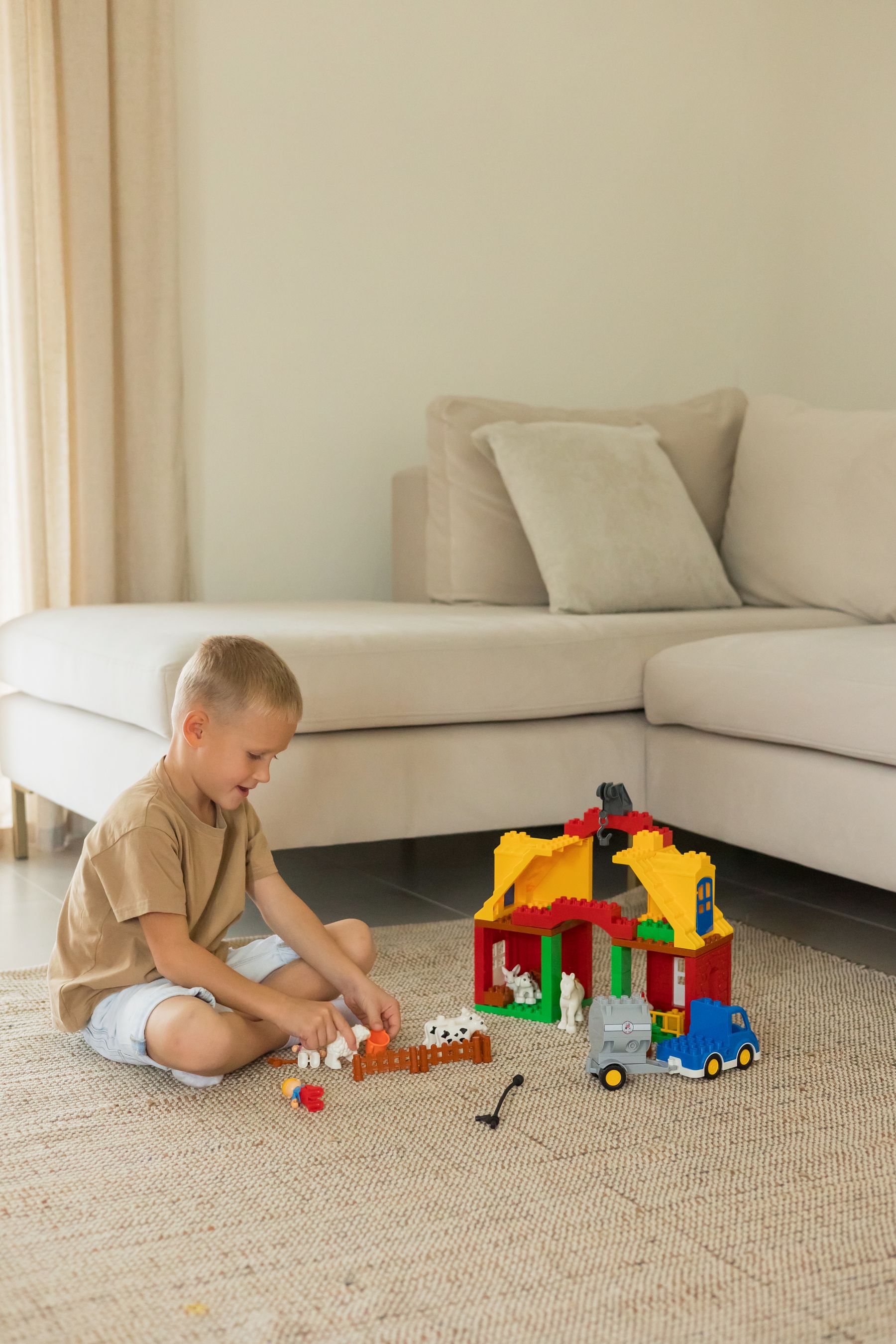
Sustainability begins with everyday decisions.
No single purchase is a complete solution. We focus on realistic steps that can help families buy with intention, maintain toys carefully and reduce unnecessary replacement where possible.
Choose with purpose
Start with the child’s current interests, play experience and available space instead of choosing only by novelty.
Look for lasting play value
Open-ended building, imaginative play and adaptable games can offer different ways to participate as interests develop.
Care before replacing
Cleaning correctly, checking connections and keeping sets complete can help toys remain ready for future play.
Plan the next chapter
When a toy is no longer suitable, consider safe sharing, donation or locally appropriate disposal based on its condition.
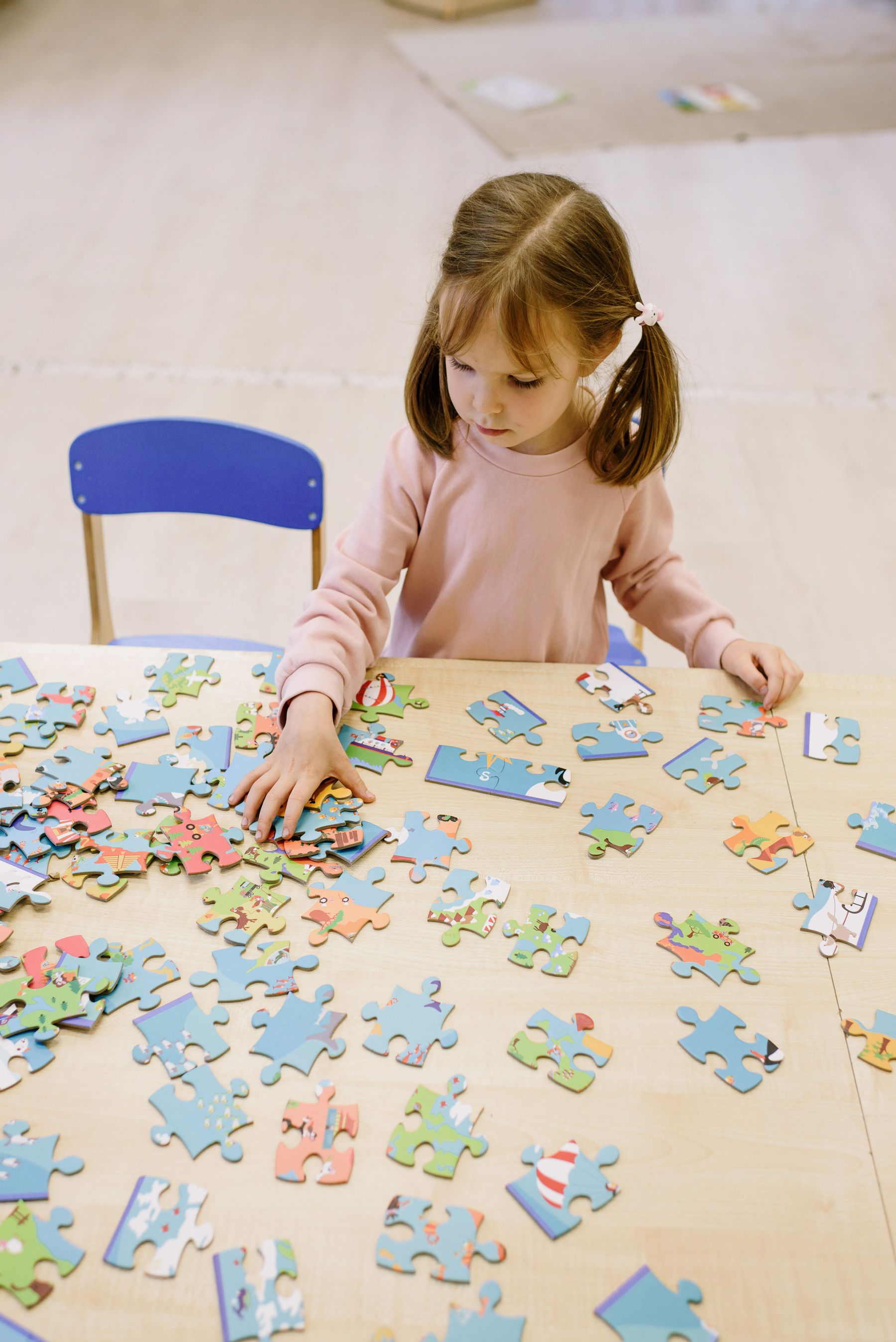
Choose a toy that fits real life.
A thoughtful choice considers more than the first play session. Review the product information, think about how the toy will be used and make sure the activity fits the child, household and available storage.
-
Match the stated age guidance
Check the individual product page and packaging for age range, included pieces and supervision information.
-
Consider repeat play
Look for activities that can be rebuilt, rearranged, replayed or explored in more than one way.
-
Plan for space and storage
Think about where the toy will be used, where every piece will live and how easily the set can be reset.
-
Avoid unnecessary duplication
Review what is already enjoyed at home before adding a similar toy that may offer the same play experience.
Small care habits can support longer use.
Different materials and products need different treatment. Always use the care guidance supplied with the specific toy rather than applying one cleaning method to everything.
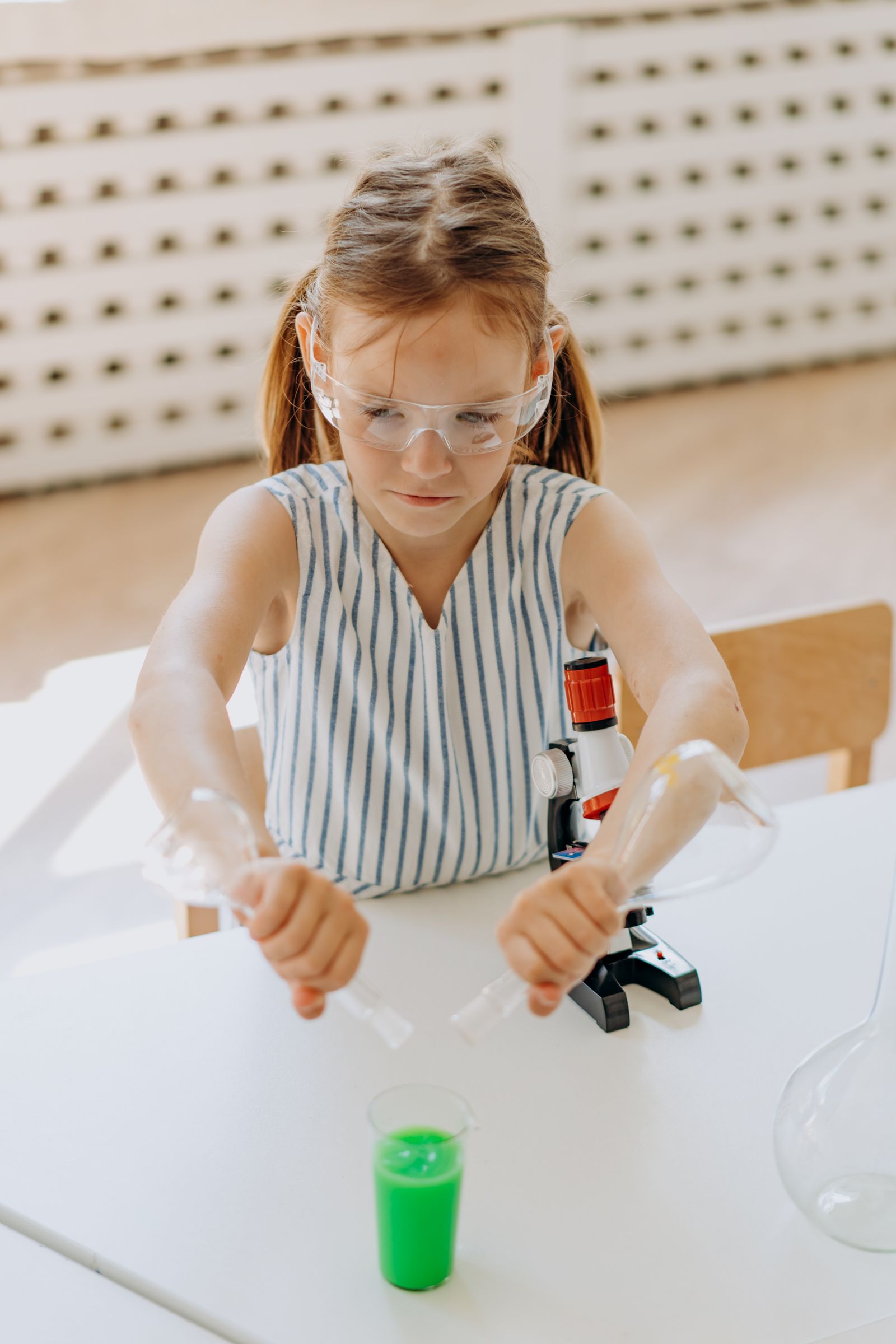
Follow material-specific instructions
Water, cleaning products and heat can affect toy materials in different ways, especially electronic or paper-based components.
- Check the supplied cleaning guidance first.
- Avoid soaking unless the product is intended for it.
- Allow cleaned parts to dry fully before storage.
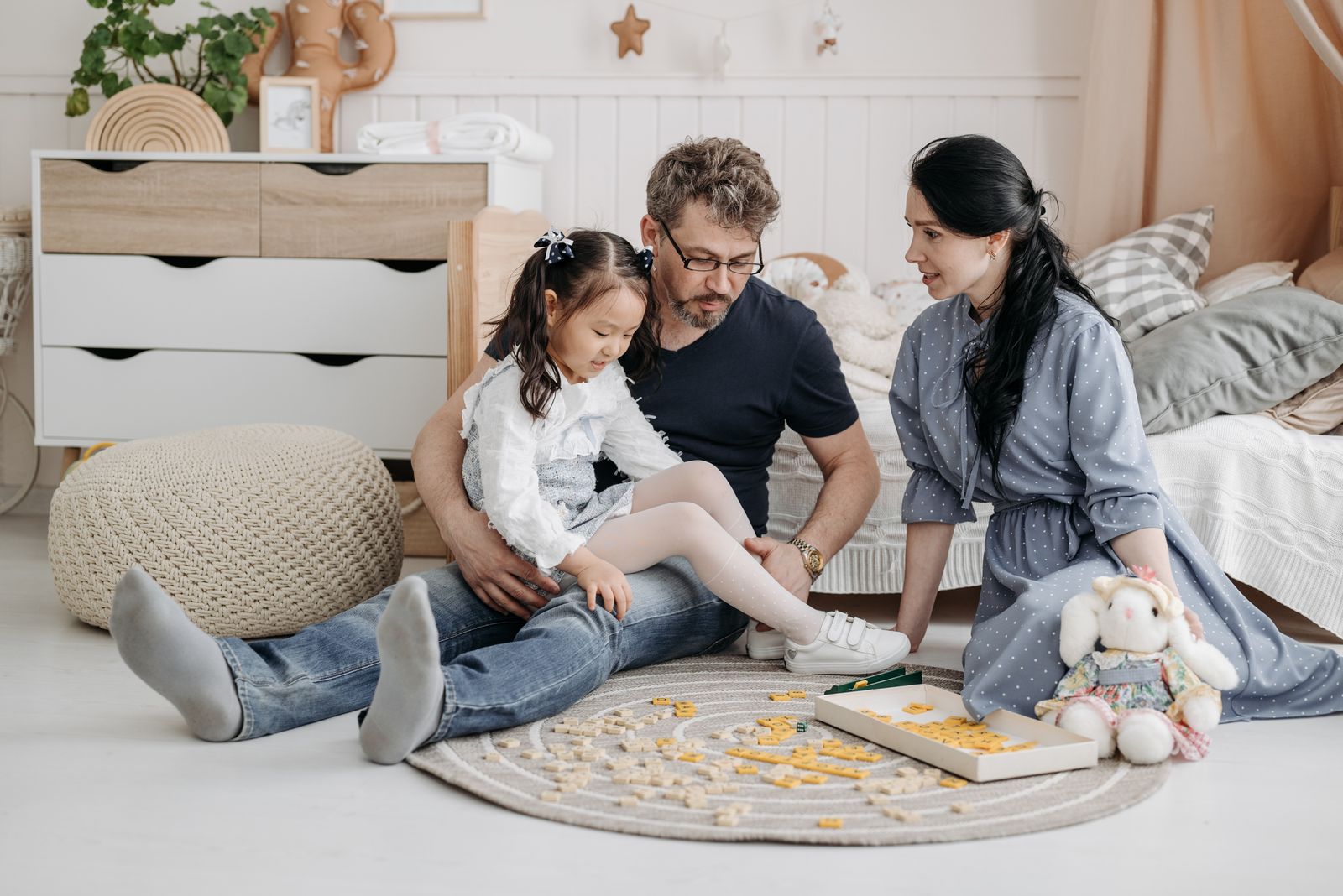
Make cleanup part of play
Complete sets are easier to revisit, share and pass along. A simple end-of-play routine can reduce lost pieces.
- Count important pieces before closing the box.
- Use reusable pouches or small containers inside larger sets.
- Keep instructions with the activity.
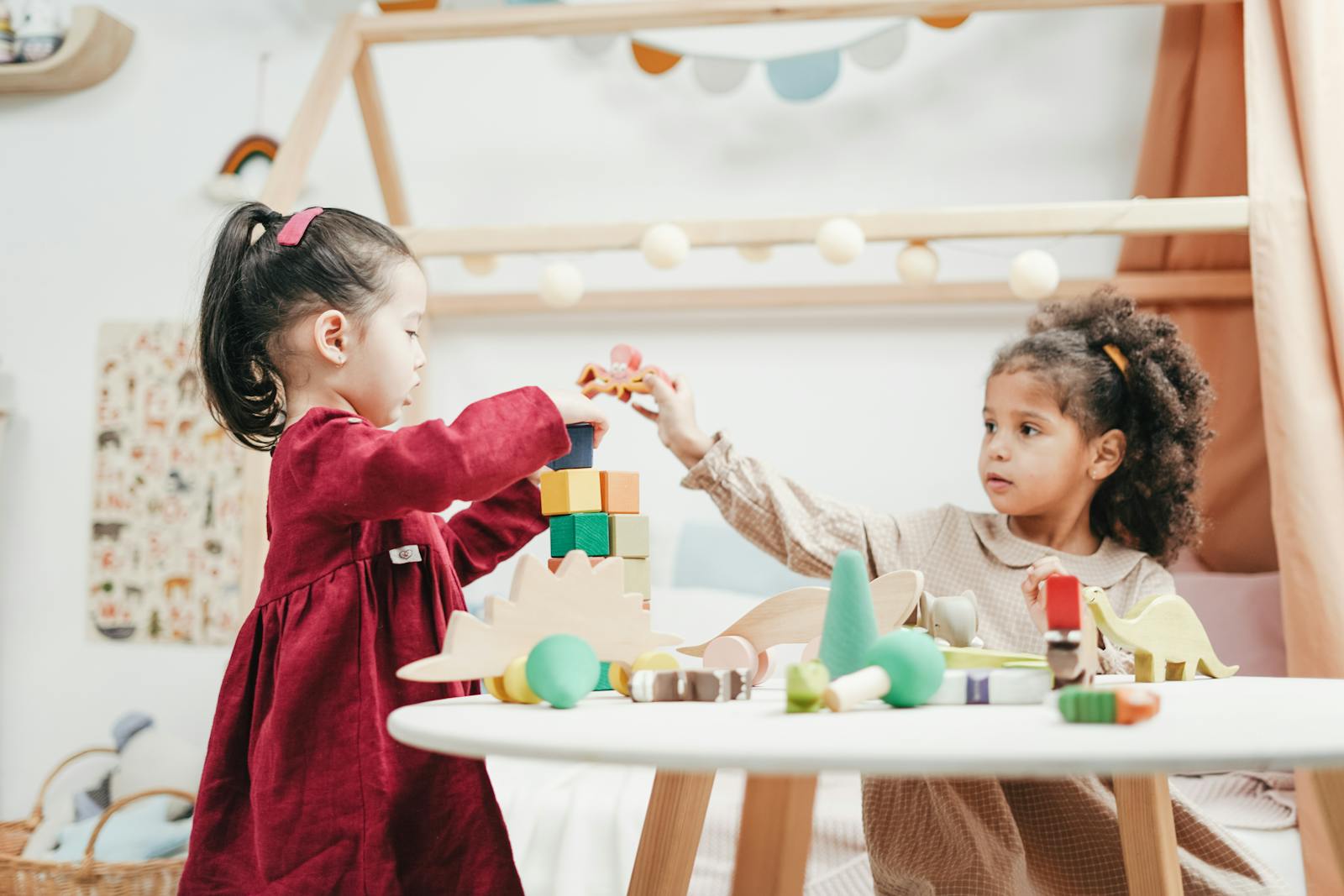
Notice wear before the next session
Regular checks can help identify loose, cracked or incomplete parts before a toy is returned to play.
- Pause use if a part is visibly damaged.
- Keep suitable indoor toys away from moisture and outdoor exposure.
- Follow the product guidance for batteries and replacements.
Storage is part of product care.
A toy that is easy to find, complete and ready to use is more likely to return to everyday play. Simple organization can support that rhythm without requiring a complicated system.
Reuse suitable containers and pouches already available at home where they safely fit the toy and its parts.
Group complete activities
Store the main toy, accessories and instructions together so the full activity can be set up without searching for missing parts.
Use reusable organizers
Small boxes, washable pouches and divided containers can help keep puzzle pieces, cards, craft parts and building elements separated.
Keep frequently used toys accessible
A clear, age-appropriate storage place can make independent setup and cleanup easier while keeping unsuitable pieces out of reach.
Rotate before replacing
Temporarily putting some toys away can make familiar activities feel fresh again without immediately adding something new.
Careful claims matter.
Sustainability information should be specific and supportable. We avoid broad promises where product materials, packaging, local systems and customer use can vary.
Mindful purchasing
We encourage choosing based on real interests, age guidance, play value and available space rather than buying without a clear purpose.
No universal recycling promise
Recycling options vary by material and location, so customers should check local guidance for packaging, batteries and end-of-use products.
Product care and longevity
We promote correct cleaning, organized storage and regular checks that may help toys remain useful for longer.
No unsupported environmental guarantee
We do not present unverified claims about carbon neutrality, certifications, recycled percentages or emissions reductions.
Practical answers for thoughtful play.
These general ideas support mindful toy use. Always follow the specific product instructions and local guidance where materials or disposal are involved.
How can I choose toys with longer play value?
Consider the child’s real interests, current experience and the number of ways the toy can be used. Open-ended building, pretend play, puzzles and adaptable family games may support repeat play, but suitability still depends on the individual product and child.
Is every toy or package recyclable?
No. Materials, coatings, mixed components and local collection programs vary. Separate packaging only where appropriate and follow local recycling or disposal instructions for each material.
What should I do with batteries from a toy?
Follow the product instructions for removal and replacement. Keep used batteries away from children and check local battery collection or disposal requirements rather than placing them into a recycling stream without confirmation.
Can I donate a toy that is missing pieces?
Check the receiving organization’s rules first. Toys should generally be clean, usable and complete enough to function as intended, with no visible damage that could affect safe use.
Is repairing a damaged toy always appropriate?
Not always. Stop using a toy with cracks, sharp edges, loose electrical parts or other significant damage. Follow manufacturer guidance where available and do not use an improvised repair that changes how the toy was designed to function.
How can I reduce lost puzzle, game or building pieces?
Use reusable pouches or divided containers, count key pieces during cleanup and store instructions with the set. A consistent storage place can make complete activities easier to revisit.
Choose thoughtfully. Care carefully. Keep play in motion.
Explore puzzles, building toys, learning games, creative activities and family play with real interests, repeat use and practical care in mind.