
Learning Through Play
Small moments of play can open big ideas.
Play gives children room to notice, test, imagine, build and begin again. At PlayHaven, we celebrate toys and games that invite hands-on discovery, thoughtful problem solving and meaningful time together.

What thoughtful play can invite
The value of play is often found in the process: paying attention, making choices, working through a challenge and sharing an idea.
Curiosity
Look closer
Puzzles, science activities and sensory materials can encourage children to notice patterns, details and cause-and-effect relationships.
Problem Solving
Try another way
Building sets and brain games can create a friendly space for testing an approach, adjusting a plan and returning to a challenge.
Imagination
Create a new story
Pretend play, craft activities and open-ended materials can become characters, places and stories shaped by a child’s own perspective.
Connection
Play together
Family games and shared activities can support conversation, turn-taking and the simple joy of spending focused time with one another.

Discovery grows through doing
Children often learn through a repeating rhythm rather than a straight line. They observe, make a choice, see what happens and carry that new information into the next attempt.
Handle the pieces, notice the materials and become familiar with the possibilities.
Stack, sort, connect, compare, move or combine elements in a new way.
Notice what changed, revise the plan and make another thoughtful attempt.
Explain an idea, invite someone else in or create a new challenge together.
Four pathways into playful thinking
A balanced play space can include different kinds of challenges, from quiet concentration to collaborative storytelling.
Build & balance
Blocks, construction pieces and stacking toys can invite planning, spatial exploration and repeated hands-on testing.
Try asking: “What could make it steadier?”
Puzzle & plan
Jigsaws, matching games and strategy activities can encourage careful observation and thoughtful decision-making.
Try asking: “Which clue should we use next?”
Imagine & role-play
Pretend-play sets, figures and plush companions can become starting points for original characters, conversations and stories.
Try asking: “What happens in your story?”
Make & discover
Craft kits, science activities and creative materials can bring ideas into the real world through measuring, mixing and making.
Try asking: “What would you like to test?”
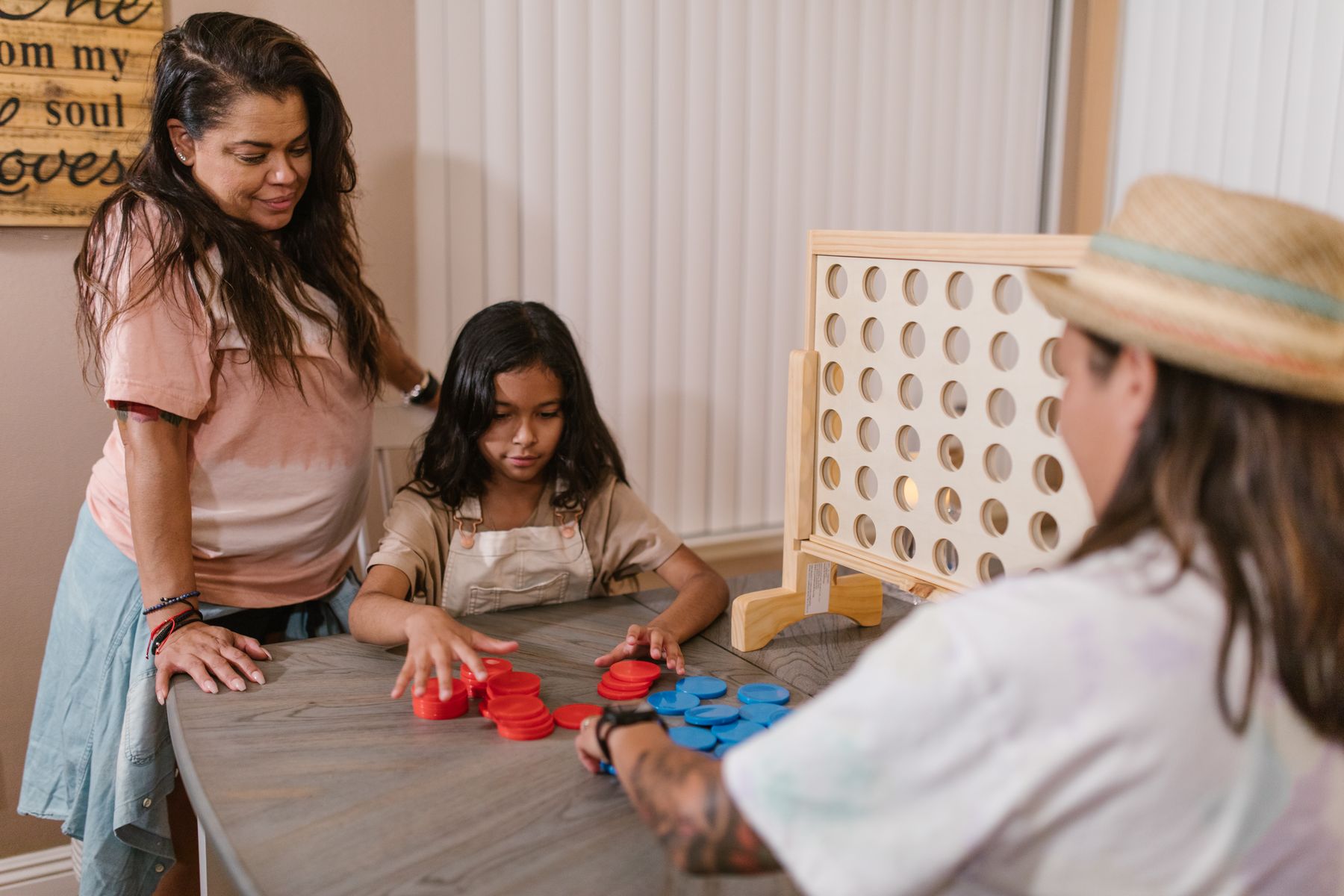
Make room for playing together
Shared play does not need to be complicated. A puzzle after dinner, a short matching game or a weekend building challenge can create a natural space for conversation and cooperation.
- Let children explain the rules in their own words.
- Celebrate creative approaches, not only the final result.
- Take turns asking questions instead of giving every answer.
Turn questions into something children can test
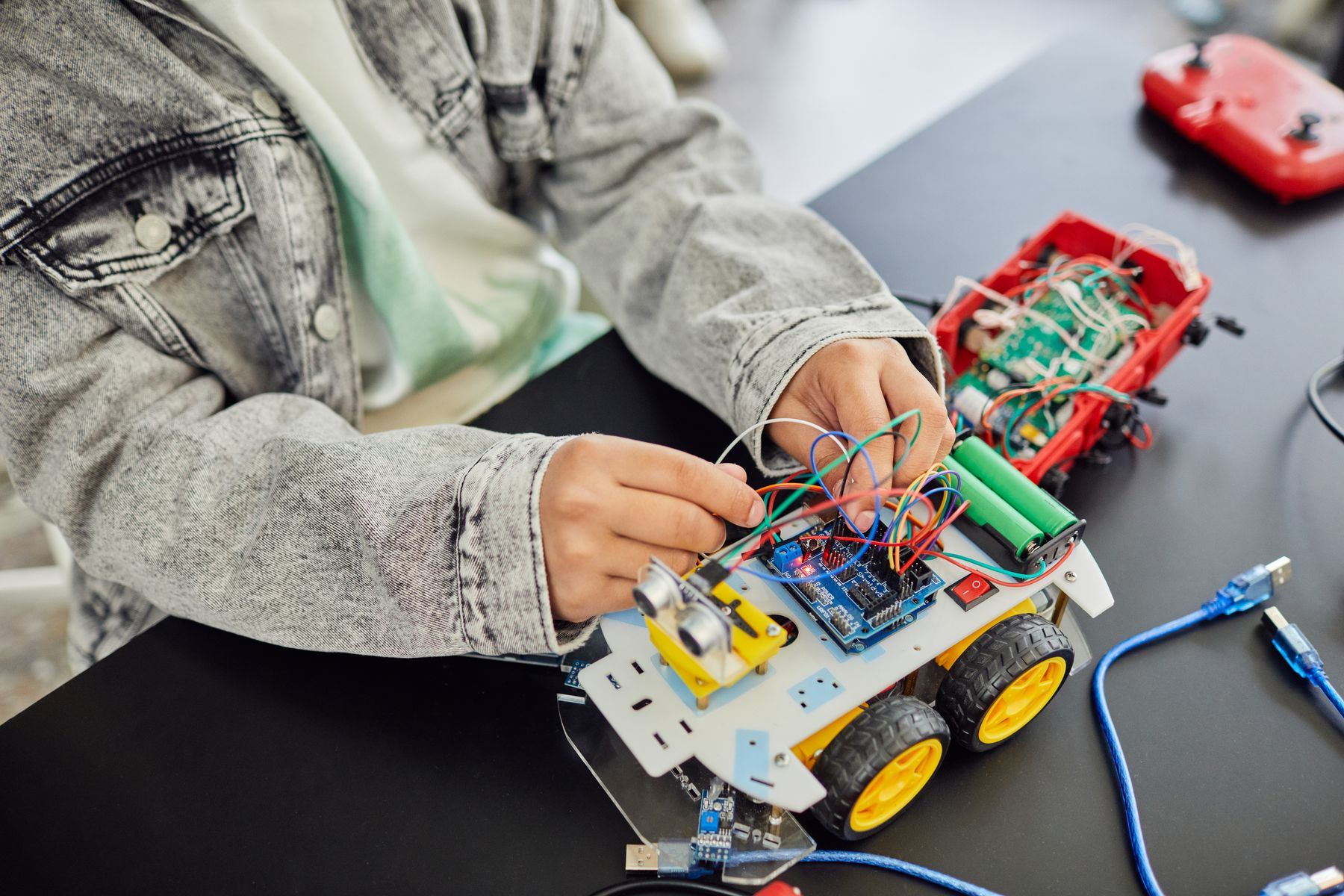
STEM toys and science kits can make an idea more tangible by inviting children to assemble, observe and make adjustments. The most useful starting point is often a simple question rather than a fixed answer.
- Begin with the product instructions and included guidance.
- Encourage observation before changing the setup.
- Keep adult supervision appropriate to the activity and child.
Choose play with the individual child in mind
Interests, experience and support needs can vary. Product-specific age guidance, dimensions, components and care information should always be reviewed before choosing an activity.
Review the stated age guidance, contents and product-specific information.
Follow included instructions, warnings and assembly or use guidance.
Allow enough space, suitable supervision and a calm place to explore.
Look for a challenge that feels engaging without becoming overwhelming.
Questions about learning through play
A thoughtful play routine can stay simple, flexible and responsive to the child, the activity and the moment.
Does a toy need to be labelled “educational” to support discovery?
How can adults join play without taking over?
What should I do when a challenge feels frustrating?
How should I choose an age-appropriate toy or game?
Can the same toy remain interesting over time?
Follow curiosity into the next play idea.
Explore puzzles, building toys, family games, creative activities, pretend play and hands-on discovery selected for joyful everyday play.