
Toy Care Guide
Keep favorite toys ready for more play.
Thoughtful care can help toys stay clean, organized and enjoyable to use. Start with the instructions for the specific product, choose gentle care methods and inspect pieces regularly before the next play session.

A gentle four-part care routine
Toy care does not need to be complicated. A consistent routine can help families notice missing pieces, surface wear and storage needs early.
Step One
Inspect
Look for loose components, cracks, damaged seams, worn cords, corrosion or missing pieces before the toy is returned to play.
Step Two
Clean
Follow the product instructions and use only a care method suitable for the toy’s materials, finish, electronics and construction.
Step Three
Dry
Allow cleaned items to dry fully before closing storage boxes, reinstalling batteries or placing pieces back inside a game container.
Step Four
Store
Keep complete sets together in a clean, dry place away from excessive heat, moisture and direct sunlight where practical.

Let the product instructions lead
Materials and construction vary. A method that works for one toy may not be suitable for another, especially when paint, paper, wood, fabric, adhesives, magnets or electronic components are involved.
Review the product page, packaging and included instructions before cleaning.
Separate cards, batteries, paper parts, removable covers and accessories where instructed.
When appropriate, check a discreet area before applying moisture more broadly.
Do not immerse items unless the specific product instructions clearly allow it.
Wait until every part is fully dry before reassembly, storage or renewed use.
Care guidance by play type
These general reminders can support a care routine, but product-specific instructions should always take priority.
Plush & fabric toys
Check labels for washing and drying guidance. Spot-clean only when directed, protect decorative details and ensure fillings and seams dry fully.
Do not assume every plush toy is machine washable.
Puzzles & board games
Keep paper and cardboard pieces dry, wipe suitable non-paper surfaces gently and store complete sets flat where possible.
Count pieces before returning the game to storage.
Building sets
Sort parts by set or size, inspect connectors for damage and avoid forcing pieces that no longer fit together as intended.
Keep small components in a secure, clearly marked container.
Craft & sensory materials
Close containers firmly, keep tools clean and separate dried-out, contaminated or damaged materials from items still suitable for use.
Follow storage, age and supervision guidance for each material.
Wooden learning toys
Use minimal moisture unless instructed otherwise, dry promptly and monitor painted surfaces, joints and edges for signs of wear.
Avoid prolonged soaking and excessive heat.
Outdoor activity toys
Remove visible dirt, allow wet items to dry and inspect fasteners, wheels, handles, ropes or inflatable sections before storage and reuse.
Store away from severe weather when the product guidance recommends it.
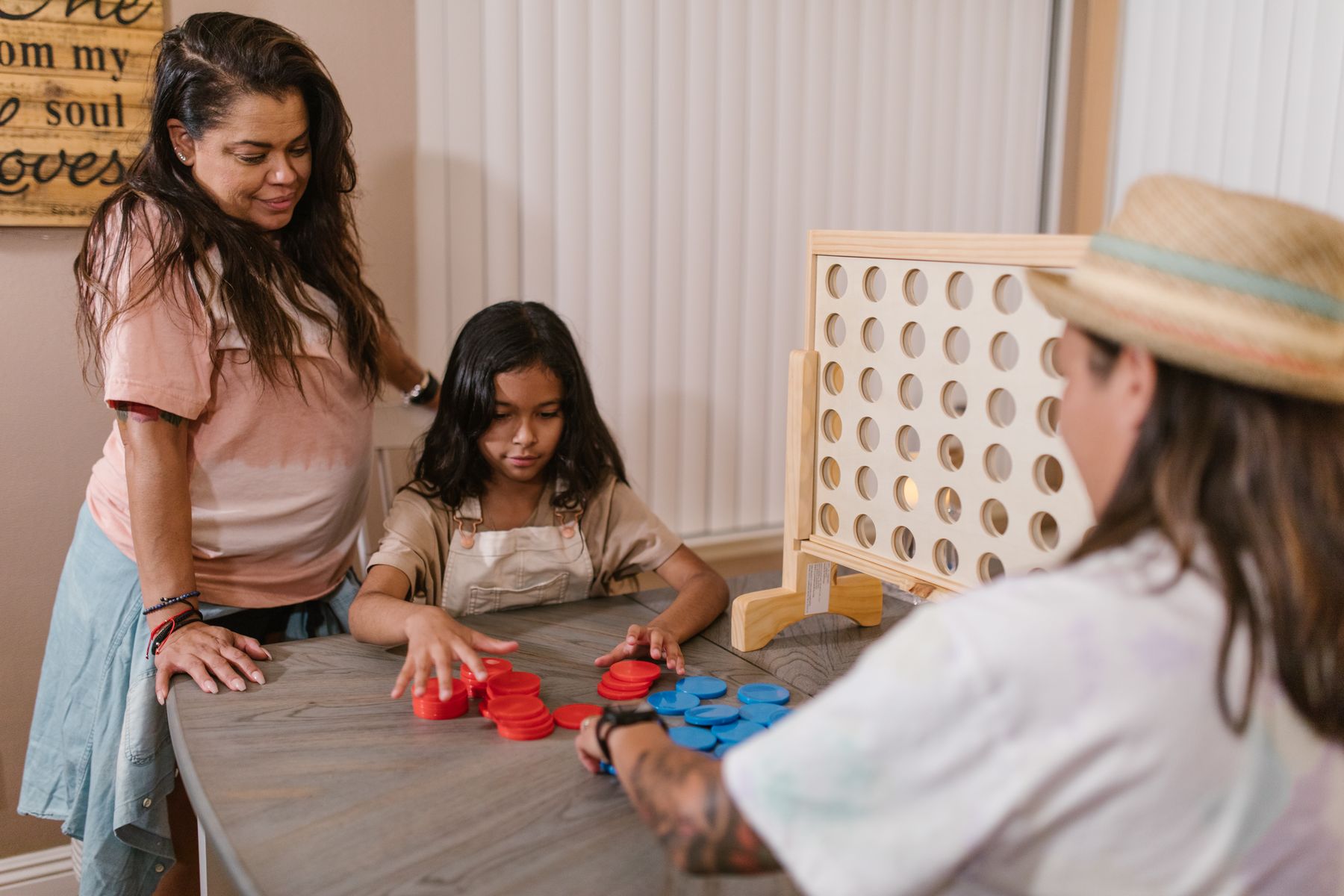
Keep every piece ready for the next round
A small amount of organization can make puzzles, family games and construction sets easier to use. Clear grouping also helps adults notice when a component is missing or no longer in suitable condition.
- Return cards, counters and puzzle pieces to the correct box or pouch.
- Use labeled containers for small parts and keep them securely closed.
- Store instruction sheets flat and dry with the matching activity.
- Keep sets with small components away from younger children when required.
Protect electronic features from moisture and neglect
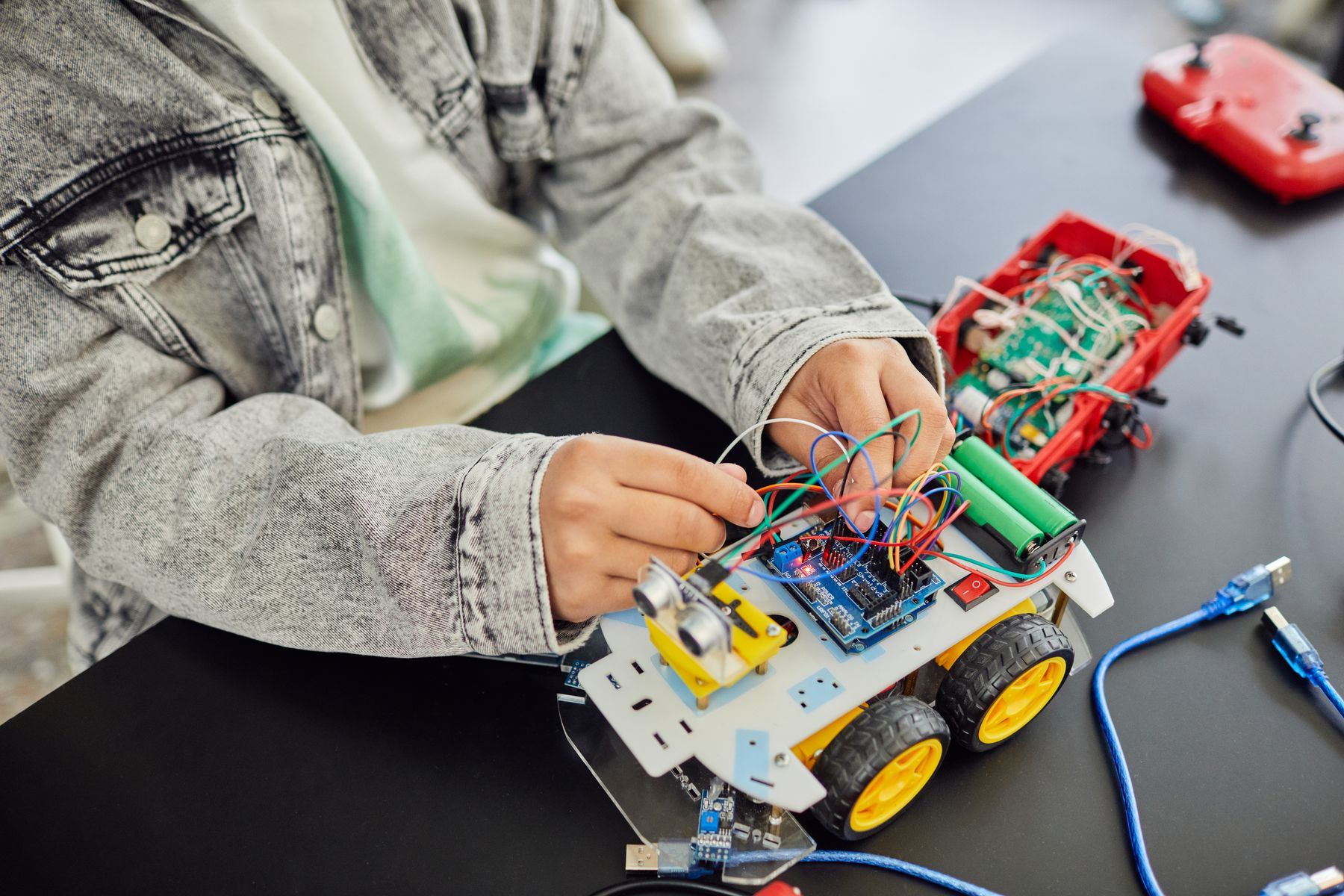
Electronic toys and STEM kits need particular care. Follow the included battery, charging, cleaning and storage instructions, and stop use if a battery compartment, wire, charger or casing appears damaged.
- Switch the toy off before routine inspection or cleaning.
- Do not immerse electronic components or allow liquid into openings.
- Use only the battery type or charging method specified for the product.
- Remove batteries for longer storage when the instructions recommend it.
Build care into the play rhythm
Short, regular check-ins are often easier than waiting until a toy needs major attention.
Reset the space
Gather pieces, close containers, wipe visible spills where suitable and place damp outdoor items somewhere they can dry.
Inspect the details
Check seams, fasteners, cords, wheels, battery areas, puzzle pieces and connectors for damage or unusual wear.
Prepare for a pause
Clean according to instructions, dry completely, organize components and follow any battery-removal or charging guidance.
Repair, replace or retire thoughtfully
Not every damaged toy should return to play. The safest choice depends on the product, the type of damage and the manufacturer’s guidance.
Pause use
Set the toy aside when you notice sharp edges, exposed filling, damaged wiring, loose magnets, cracked battery covers or other concerning wear.
Keep damaged items away from children while assessing next steps.
Check approved options
Review the product instructions or contact the appropriate support source before attempting a repair, especially for electronic or structural parts.
Avoid improvised repairs that change the intended use or create loose parts.
Dispose responsibly
When a toy is no longer suitable for use, separate batteries or electronics where required and follow locally available disposal or recycling guidance.
Do not donate toys that are damaged, incomplete or unsuitable for safe use.
Toy care questions
These answers provide general guidance. Always follow the instructions supplied for the specific toy or activity.
Can every plastic toy be washed in water?
Should I use disinfectant on toys?
How can I keep puzzle and game pieces from getting lost?
When should a toy be removed from use?
How should toys be stored for a longer period?
Care today. More joyful play tomorrow.
Keep product instructions nearby, store complete sets together and make regular inspection part of the family play routine.